.png)
How Aesthetics Regulation Training Supports Safe Clinical Practice
The non-surgical aesthetics industry continues to develop, with treatments such as injectables, skin rejuvenation and advanced aesthetic procedures becoming increasingly popular. As the industry grows, practitioners need more than technical treatment skills. They also need to understand professional standards, client safety, treatment protocols and responsible practice.
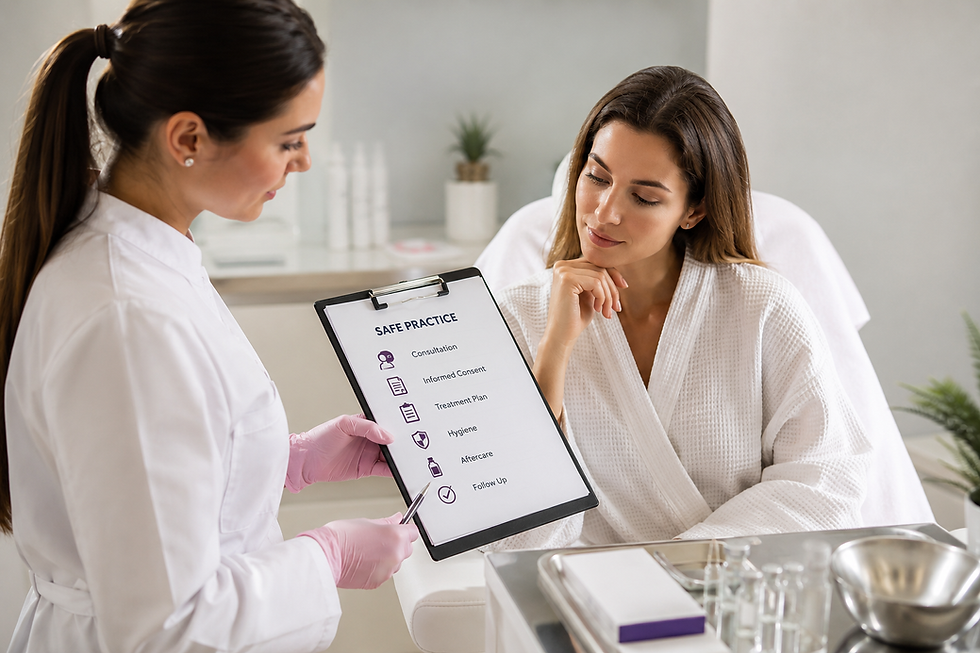
This is where Aesthetics Regulation Training UK can make an important difference. Regulation-focused education helps practitioners understand their responsibilities and develop a safer, more professional approach to aesthetic treatments.
For anyone considering a career in aesthetics, choosing the right training provider is an important first step. Nata Online provides professional Aesthetics Training UK designed to help learners build knowledge, practical confidence and awareness of safe clinical practice.
What Is Aesthetics Regulation Training?
Aesthetics regulation training focuses on the standards, responsibilities and safety considerations that practitioners should understand when delivering non-surgical aesthetic treatments.
Rather than focusing only on how a treatment is performed, regulation-focused training encourages practitioners to consider the complete treatment journey.
This can include:
Client consultation and assessment
Informed consent
Medical history and suitability
Treatment planning
Hygiene and infection control
Record keeping
Recognising contraindications
Managing potential complications
Aftercare advice
Professional and ethical responsibilities
Understanding these areas can help practitioners make informed decisions and put client wellbeing at the centre of their practice.
Why Is Regulation Important in Aesthetic Practice?
Aesthetic treatments involve real clinical considerations. Even procedures that appear straightforward can carry potential risks when performed incorrectly or when a client's suitability has not been properly assessed.
Regulation and professional standards help establish a responsible framework for practice.
For practitioners, this means developing an understanding of when a treatment may be appropriate, when additional assessment may be required and when a client should not proceed.
Good training also encourages practitioners to avoid treating every client in the same way. Individual assessment is essential because factors such as medical history, medications, allergies and previous treatments can influence treatment decisions.
How Training Supports Safer Clinical Practice
1. Better Client Assessment
A thorough consultation is one of the foundations of safe aesthetic practice.
Training can help practitioners understand the importance of gathering relevant information before treatment. This may include discussing medical history, previous procedures, allergies, medications and the client's expectations.
A detailed assessment allows the practitioner to identify potential concerns before deciding whether treatment is suitable.
2. Understanding Contraindications
Not every treatment is suitable for every client.
A practitioner should understand common contraindications and recognise situations where treatment may need to be postponed, modified or avoided.
A strong educational programme helps learners develop the knowledge needed to identify potential risks and make responsible treatment decisions.
3. Informed Consent
Consent should be more than simply asking a client whether they want a treatment.
Clients should have an opportunity to understand what the procedure involves, the expected results, possible risks, alternatives and relevant aftercare.
Regulation-focused training can help practitioners develop a structured approach to obtaining and documenting informed consent.
4. Infection Prevention and Hygiene
Maintaining a clean and controlled treatment environment is essential for client safety.
Practitioners should understand appropriate hygiene procedures, equipment handling, preparation and infection prevention measures relevant to their treatments.
These principles are particularly important when working with procedures that involve needles, skin penetration or other clinical techniques.
5. Accurate Record Keeping
Professional documentation plays an important role in responsible aesthetic practice.
Treatment records can help practitioners maintain a clear history of consultations, procedures, products used, consent and aftercare.
Good record keeping can also support continuity of care and provide useful information if a client returns for future treatments.
Managing Risks and Potential Complications
Even when a treatment is carefully planned, complications can sometimes occur. Practitioners therefore need to understand not only how to perform procedures but also how to recognise concerns and respond appropriately.
Aesthetics Regulation Training UK can introduce practitioners to the importance of complication awareness, escalation procedures and appropriate client communication.
This knowledge can improve confidence when dealing with unexpected situations.
It is important to remember that training should never encourage practitioners to work beyond their competence. Knowing when to seek appropriate medical support is an essential part of responsible practice.
The Role of Professionalism in Aesthetics
Professionalism also involves communicating clearly with clients, managing expectations and maintaining appropriate boundaries.
Practitioners should avoid making unrealistic promises about treatment outcomes. Instead, consultations should focus on realistic expectations and individual client needs.
A professional approach can help establish trust while supporting a positive client experience.
Choosing the Right Aesthetics Training
If you are considering aesthetics as a career or want to develop your existing skills, selecting an appropriate training provider matters.
Look for training that combines theoretical knowledge with practical learning and focuses on responsible clinical practice.
Before enrolling, consider:
· Course content and learning outcomes
· Qualification or certification provided
· Practical training opportunities
· Tutor experience
· Support available after training
· Treatment-specific safety information
· Entry requirements
· Whether the course suits your existing experience
The right programme should help you develop knowledge and confidence rather than simply teaching individual treatment techniques.
Why Choose Nata Online?
Nata Online offers professional aesthetics education for learners looking to develop their knowledge and practical skills within the industry.
Its training approach is designed to support learners at different stages of their aesthetics journey, from developing foundational knowledge to progressing towards more advanced qualifications.
With a focus on structured learning, practical skills and professional development, Nata Online can be a valuable option for individuals looking to build a future in non-surgical aesthetics.
Whether you are starting your journey or looking to expand your existing treatment portfolio, choosing education that prioritises safe and responsible practice can provide a stronger foundation for your career.
Building a Responsible Career in Aesthetics
The aesthetics sector can offer exciting professional opportunities, but practitioners have an important responsibility towards their clients.
Successful practice requires a combination of technical knowledge, communication skills, ethical decision-making and ongoing professional development.
Aesthetics Training UK should therefore be viewed as more than a way to learn treatments. Quality education can help practitioners understand the wider responsibilities involved in delivering aesthetic services.
Continuing to learn and keeping knowledge up to date can also help practitioners adapt as industry expectations, professional guidance and best practices evolve.
Start Your Aesthetics Training Journey
Building a successful aesthetics career starts with choosing education that takes both professional development and client safety seriously.
From consultation and consent to hygiene, treatment planning and complication awareness, regulation-focused education can help practitioners develop a more responsible approach to clinical aesthetics.
If you are ready to strengthen your knowledge and explore opportunities within the aesthetics industry, Nata Online offers a range of professional training options to support your development.
Explore the available courses and take the next step towards building your aesthetics career.


Comments